Best gardeners for N1 terraces near Angel Station Islington
Posted on 10/10/2026
If you live in a terrace near Angel Station, you already know the reality: outdoor space is precious, often compact, and very easy to let slip. One windy week, a few self-seeded weeds, a bit of shade from neighbouring walls, and suddenly the whole space feels tired. The best gardeners for N1 terraces near Angel Station Islington understand that these gardens are not mini country plots. They are urban, lived-in spaces that need a sharper eye, a lighter touch, and a practical plan that actually fits London life.
This guide breaks down what good terrace gardening looks like, how to choose the right help, what services matter most, and where people usually go wrong. If you want a space that feels calmer, tidier, greener, and easier to live with, you are in the right place.
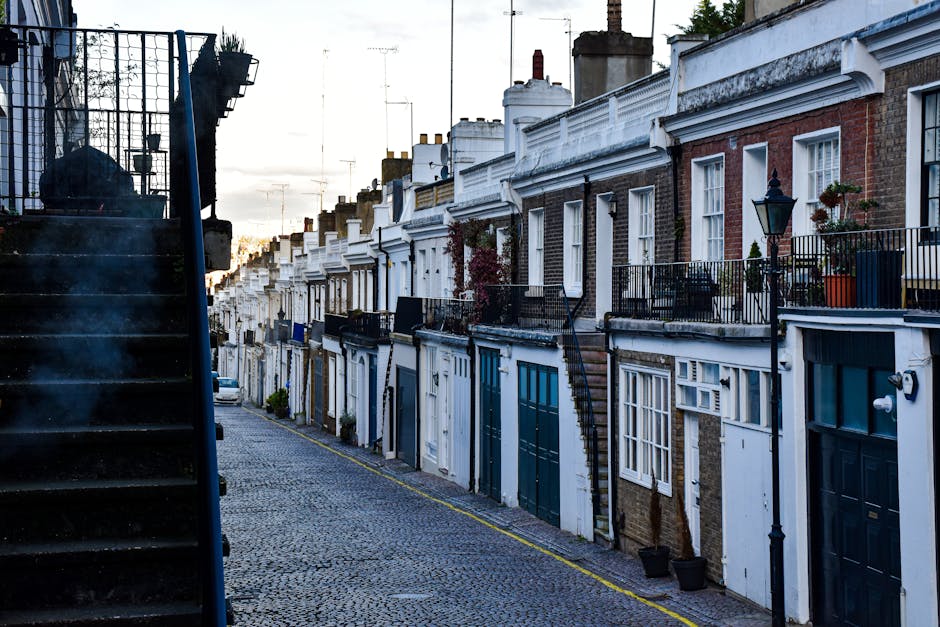
Why Best gardeners for N1 terraces near Angel Station Islington Matters
Terrace gardens around Angel are often exposed to a strange mix of conditions. You get pockets of shade, reflected heat from brickwork, awkward paving, narrow access, and neighbours very close by. That combination changes everything. A planting scheme that looks fine in a larger garden can fail quickly here. Likewise, a maintenance routine copied from a suburban lawn simply does not translate well.
The best local gardeners know how to read a terrace space quickly. They notice drainage quirks, awkward wind channels, the amount of direct sun on a wall, and whether containers will dry out by lunchtime in July. That attention matters because it saves money, plant loss, and endless patch-up jobs later on. Truth be told, a terrace can become high-maintenance fast if nobody plans for the site properly.
It also matters because small gardens have a big emotional footprint. A well-kept terrace feels like an extra room. A neglected one feels like clutter you have to step around every time you open the back door. For many homeowners and renters in N1, that little outside space is where morning coffee happens, where herbs grow, and where a few peaceful minutes are reclaimed after a noisy day.
For a broader view of how design choices change an outdoor space, the ideas in these creative garden design ideas can be surprisingly useful, even for compact terraces.
How Best gardeners for N1 terraces near Angel Station Islington Works
Good terrace gardening usually starts with assessment, not digging. A capable gardener will first look at the site conditions, the light, the existing surfaces, and what the space needs to do. Is it for relaxing, growing, entertaining, child-safe play, or simple low-fuss greenery? That answer shapes the work.
From there, the process tends to follow a fairly sensible pattern:
- Site review - checking access, exposure, drainage, and the current condition of soil, pots, fencing, decking, or paving.
- Priority setting - deciding what needs immediate attention, what can wait, and what should be redesigned rather than repeatedly repaired.
- Plant and material selection - choosing species and finishes suited to urban terrace life, not just what looks nice in a catalogue.
- Maintenance plan - agreeing how often the space should be tidied, pruned, watered, fed, and checked across the seasons.
- Ongoing adjustments - updating the setup once the gardener sees how the garden behaves in real weather.
That last part is where experienced gardeners tend to stand out. They do not just make a terrace look neat on day one. They think ahead. A windy corner needs tougher planting. A shaded yard may need foliage that holds shape without chasing constant sun. A forgotten patio might need cleaning before any planting makes sense. If that sounds obvious, well, it is. But plenty of people skip it anyway.
For example, if your terrace has a lot of hard landscaping, patio maintenance may be the first sensible step. A service like patio cleaning in Islington can reset the surface before any planting or furniture changes are made.
Key Benefits and Practical Advantages
The best gardeners for N1 terraces near Angel Station Islington bring more than a tidy finish. They help you use the space more intelligently. On a terrace, every metre has to work, and every plant has to earn its keep a little.
- Better use of space: compact layouts can still feel layered and generous when planting, seating, and circulation are planned well.
- Less maintenance stress: choosing the right plants and routines reduces constant firefighting.
- Improved privacy: screens, climbers, and hedge alternatives can soften sightlines without making the garden feel boxed in.
- Better year-round appeal: evergreen structure, seasonal interest, and practical hard landscaping keep the garden looking alive beyond summer.
- Safer, more usable surfaces: cleared paving, tidy edges, and sensible storage reduce trip hazards and daily frustration.
- Healthier plants: proper soil, drainage, and plant matching mean fewer failures and fewer replacements.
There is also a less obvious benefit: confidence. Once a terrace is handled properly, you stop avoiding it. You start using it. That matters more than people admit.
If you want low-maintenance ideas that still look considered, it is worth reading about budget-friendly low-maintenance garden tips and adapting gardening techniques with containers.
Who This Is For and When It Makes Sense
This kind of specialist gardening service makes sense for a lot of people in N1, not only homeowners. Terrace spaces near Angel often belong to busy professionals, landlords, families, and tenants who want the garden handled properly without becoming a second job.
It is especially relevant if you:
- have a terrace that is small, awkward, or heavily shaded
- need a garden that looks good with minimal weekly effort
- want privacy from neighbouring windows or balconies
- need planting that survives London wind and summer heat
- have pets or children and need a safer layout
- have inherited an overgrown or neglected outdoor area
- are trying to make a flat garden, yard, or deck feel more welcoming
It also makes sense if you have a clear goal but not the time to manage the details. Maybe you want fresh herbs, a calmer seating area, or simply a terrace that does not look abandoned by Friday afternoon. To be fair, that is a very normal brief.
For neglected spaces, there is a particularly useful starting point in breathing new life into a neglected garden. The first hour matters more than people think.
Step-by-Step Guidance
If you are trying to decide what the best gardeners for your terrace should actually do, use this simple framework. It helps cut through the noise.
- Walk the space with fresh eyes. Look at light, damp patches, dead plants, storage clutter, blocked corners, and any surface damage.
- Define the main job of the terrace. Is it for sitting out, planting, privacy, pets, children, or all of the above?
- Choose structure first. Decide on paving, edging, planters, screens, and seating before buying decorative plants.
- Pick terrace-suitable planting. Use containers, climbers, evergreen structure, and resilient plants that suit the conditions.
- Fix the basics. Weed control, pruning, surface cleaning, and soil improvement should happen before the finishing touches.
- Add seasonal interest. Mix textures and flowering times so the garden does not peak for two weeks and then vanish.
- Set a maintenance rhythm. Small gardens need regular attention, just not excessive attention.
A useful rule: if a job creates a cleaner canvas, do it early. If it adds atmosphere, do it later. That sequencing saves a lot of awkward rework. And yes, it sounds almost too simple. But simple is usually where the best results live.
For terraces with a lot of pots, the ideas in enhancing urban landscapes with vertical gardening can help you make more of the vertical space instead of crowding the floor.
Expert Tips for Better Results
In our experience, the best terrace work comes from details that are easy to overlook. These are the things that separate a decent result from a space you actually want to spend time in.
- Use containers with purpose. Don't scatter pots randomly. Group them to define zones or soften hard edges.
- Keep a backbone of evergreen planting. That way the terrace still has shape in winter, even when flowers are gone.
- Think about wind. A breezy terrace can be lovely until every tall plant leans like it is trying to escape.
- Choose plants for the real light level. Morning sun and noon sun are not the same thing, not even close.
- Make watering easier. If a layout makes watering annoying, it will become annoying to maintain. Simple as that.
- Use clipping and pruning to create rhythm. This is especially important in terrace spaces where there is less room for chaos.
- Leave some breathing room. A small garden needs negative space too. Otherwise it feels busy, and not in a good way.
If you have climbing plants or walls that need tidying, it may also help to review hedge trimming as a design skill and fast-growing hedge privacy ideas. Both are useful when privacy matters more than ornament.
One more thing: do not over-design a terrace into exhaustion. A calm bench, a few strong planters, and one or two good structural plants can often beat a dozen competing features. A bit of restraint goes a long way.
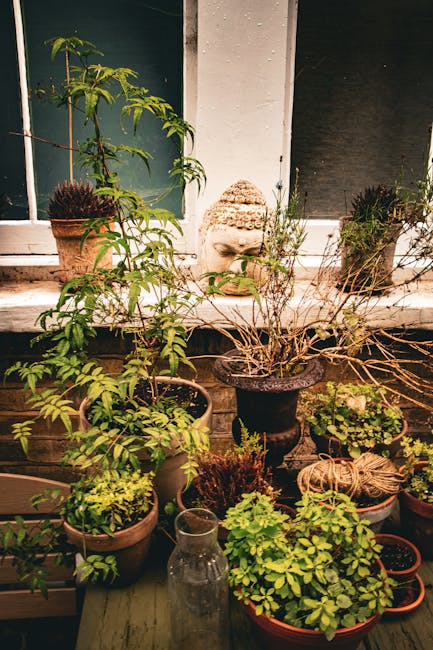
Common Mistakes to Avoid
Terrace gardens often go wrong in predictable ways. The good news? Most of them are avoidable once you know what to watch for.
- Choosing plants for looks only. A plant can be beautiful and still be a poor fit for wind, shade, or shallow containers.
- Ignoring drainage. Terrace containers and small paved gardens can become waterlogged or bone dry very quickly.
- Overcrowding. People buy too many plants, then wonder why the space feels cramped.
- Skipping hardscape care. A patio full of grime, moss, or loose edging makes even good planting look unfinished.
- Forgetting maintenance access. If you cannot reach the back corner without a minor battle, the back corner will become forgotten.
- Using fragile species in exposed spots. The first gust of proper London weather will expose the mistake.
We also see a lot of people underestimating weeds. In a small terrace, a few weeds can make the whole place look neglected. If that is your current battle, these weed control tips are a practical place to start.
And yes, ivy is a classic one. Looks romantic. Behaves like it pays no rent. If it is becoming a problem, getting ivy under control properly can save walls, fences, and your patience.
Tools, Resources and Recommendations
You do not need a van full of equipment to keep a terrace in good shape, but the right tools matter. A sensible gardener will usually rely on a mix of hand tools, pruning tools, containers, soil improvers, and cleaning equipment matched to the site. The exact setup changes by garden, of course.
For homeowners or tenants thinking about what to buy or keep on hand, these are the most useful basics:
- good secateurs and snips
- a lightweight watering can or hose setup suitable for the site
- gloves that actually fit properly
- containers with drainage holes
- quality compost and mulch where appropriate
- basic sweeping and patio-cleaning tools
- plant ties or supports for climbers and tall stems
For soil improvement, it helps to understand the basics of feeding and texture rather than just throwing fertiliser at a problem. The article on building richer soil naturally is a helpful companion read.
If you are after specific planting direction, two good follow-on topics are top ground cover plants for UK gardens and evergreen climbers for shady spaces. Both fit terrace conditions very well, especially where the garden needs to stay attractive with limited fuss.
For general service-level understanding, local pages such as gardening services in Islington and garden maintenance in Islington help set expectations around the kinds of support that are commonly offered.
Law, Compliance, Standards, or Best Practice
Terrace gardening is not usually a heavily regulated activity, but a professional approach still matters. If a gardener is pruning, using powered tools, handling waste, working near structures, or doing any kind of tree work, safe practice is not optional. It should be routine.
Homeowners and landlords should also think about a few practical standards:
- Access and neighbour care: avoid blocking shared access or letting cuttings, noise, and debris become a nuisance.
- Waste handling: green waste should be removed or disposed of responsibly, not left in bags for weeks.
- Structural awareness: heavy planters, fencing, and decking should suit the terrace structure and layout.
- Safety: tools, slippery surfaces, and loose materials should be managed carefully, especially in family homes.
- Insurance and trust: a reputable gardener should be able to discuss insurance and safety in a straightforward way.
For reassurance, it is sensible to look for companies that are clear about their working practices and policies. Pages such as insurance and safety, health and safety policy, and privacy policy show whether a business takes the boring-but-important things seriously. Boring? Maybe. Necessary? Absolutely.
If you are comparing providers, a clear pricing and quotes page is also a good sign. Transparency usually beats vague promises, every time.
Options, Methods, or Comparison Table
Not every terrace needs the same type of gardener. Some spaces need regular maintenance. Others need a one-off rescue. And some need a redesign because the current setup is simply not doing the job.
| Approach | Best for | Strengths | Limitations |
|---|---|---|---|
| Regular maintenance visits | Busy households and ongoing terrace care | Keeps things tidy, prevents overgrowth, predictable rhythm | Less suitable if the garden needs structural improvement |
| One-off clearance and reset | Neglected or overgrown terraces | Fast visible improvement, useful starting point | Needs follow-up if you want lasting results |
| Planting-led refresh | Terraces that already have usable hard landscaping | Improves colour, privacy, and atmosphere | May not solve underlying surface or drainage problems |
| Full redesign | Spaces that feel awkward, tired, or underused | Best for long-term value and better use of space | Usually requires more planning and budget |
If you are not sure which route suits you, start with the simplest question: do you need maintenance, or do you need change? That answer will tell you a lot. Sometimes the honest answer is both, which is fine too.
Case Study or Real-World Example
Imagine a small N1 terrace a few minutes from Angel Station. The space is paved, gets strong afternoon sun in one corner, stays cool and shaded near the back wall, and has two tired containers, a patch of weeds, and a fence that feels a bit too close for comfort. Nothing dramatic. Just a typical urban garden that has drifted.
The first sensible step is not to rush in with random plants. A skilled gardener would likely start by clearing weeds, cleaning the patio, checking container condition, and deciding where privacy matters most. Then they might create a stronger backbone with evergreen structure, soften the hard edges using containers, and add one or two climbers for height.
Maybe there is also a small herb area by the back door, because fresh mint and rosemary are useful and smell better than most garden problems. A compact seating corner could come next. Not huge. Just enough for a chair, a mug, and a quiet five minutes before work. That tiny bit of intention changes everything.
What tends to surprise people is how quickly the space starts to feel bigger once clutter, weak planting, and dead corners are removed. Not larger in square metres, obviously. Bigger in use. Bigger in feeling. And that is what most terrace owners really want.
For more ideas that suit this kind of transformation, garden seating ideas and must-have outdoor essentials are both worth a look.
Practical Checklist
Use this quick checklist before hiring or briefing a gardener for a terrace near Angel Station.
- Have I decided whether I need maintenance, redesign, or both?
- Do I know which parts of the terrace get the most sun, shade, or wind?
- Are there any safety issues, loose paving, or damaged fences to mention?
- Do I want privacy, colour, seating, storage, herbs, or all of the above?
- Is the current garden cluttered with weeds, dead plants, or old containers?
- Do I need pet-safe or child-friendly planting?
- Have I checked how much time I realistically want to spend on upkeep?
- Do I want a one-off visit or an ongoing schedule?
- Have I looked at pricing, safety, and the company's wider service information?
- Will the plan still make sense in winter, not just in June?
Expert summary: the best terrace gardeners do not just make the space prettier. They make it easier to live with. That is the real test. If a garden looks lovely but becomes a burden, it has missed the point.
Get a free quote today and see how much you can save.
Conclusion
The best gardeners for N1 terraces near Angel Station Islington are the ones who understand the space as it is: compact, urban, exposed in places, shaded in others, and expected to do a lot with very little room. They know how to make practical choices that look good now and still make sense six months later.
If you approach your terrace with that mindset, the whole process becomes easier. Start with what the space needs, not what a catalogue makes look tempting. Use structure before decoration. Keep maintenance realistic. And choose help from people who see the garden as part of daily life, not just a photo opportunity.
That is how a small terrace becomes useful, calm, and quietly lovely. Not perfect. Just well made. And honestly, that is often better.

With her background as an experienced gardening manager, Laurie has supported thousands of customers in attaining their desired garden layouts. Her articles prioritize sustainable gardening methods and user-friendly service options.