Barnsbury garden maintenance costs what local gardeners charge
Posted on 19/11/2026
If you are trying to work out Barnsbury garden maintenance costs what local gardeners charge, you are probably doing the same thing most people do before booking anyone: comparing quotes, trying to separate fair pricing from the silly stuff, and wondering what is actually included. Fair enough. In a place like Barnsbury, gardens can be compact, awkwardly shaped, beautifully established, or a bit of everything at once, and that changes the price more than people expect.
This guide breaks down how local gardeners usually price routine maintenance, what pushes a quote up or down, and how to judge whether you are getting value rather than just a cheap number on a page. We will keep it practical and local, with enough detail to help you budget properly whether you need a one-off tidy-up, regular visits, or a bigger seasonal reset.
One thing worth saying straight away: the best quote is not always the lowest one. The right price is the one that matches the amount of work, the condition of the garden, access, and the level of finish you want. Simple as that.
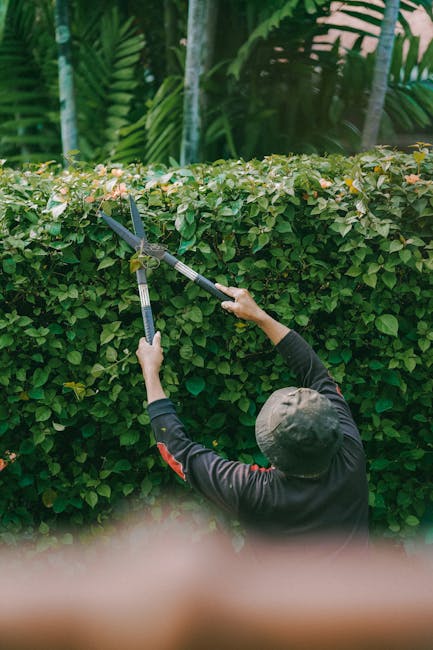
Why Barnsbury garden maintenance costs what local gardeners charge Matters
Garden maintenance is one of those services where the cost makes sense only when you understand the work behind it. In Barnsbury, that matters even more because many gardens are not huge lawns with one obvious job. They are often layered spaces: paving at the back, borders down the side, shrubs that need regular shaping, maybe a patch of lawn that gets patchy in shade, plus the usual weeds, leaves, and the occasional mystery plant that appeared on its own.
When local gardeners quote for maintenance, they are not only pricing time. They are pricing labour, travel, equipment, disposal, tidy-up standards, and sometimes the hassle factor of a difficult site. A narrow access route, limited parking, or heavy green waste can all push the quote up a bit. That is normal, not a red flag.
Understanding this helps you ask better questions. Instead of asking, "Why is it so much?", you can ask, "What is included, how long will it take, and what makes this garden more complex than a standard visit?" That small shift usually leads to better answers and fewer awkward surprises later.
If you are planning a broader refresh rather than just routine upkeep, it can also help to read about bringing a neglected garden back under control. A garden that has been left alone for months is rarely priced like a quick tidy, and that is fair enough.
How Barnsbury garden maintenance costs what local gardeners charge Works
Most local gardeners price maintenance in one of three ways: hourly rates, fixed-visit prices, or regular maintenance plans. Which one you get depends on the scope of work and how predictable the garden is from visit to visit.
Hourly pricing is common for smaller, less predictable jobs. The gardener charges for the time spent and usually brings the tools needed for the tasks agreed in advance. This works well if the garden has a mix of jobs, but no one can say in advance exactly how long they will take.
Fixed prices are more common when the work is clear. For example, a fortnightly tidy that includes lawn edging, weeding, pruning light growth, and clearing trimmings may be quoted as a set fee. The benefit is certainty. The catch is that any extra work outside the agreement may be charged separately.
Regular plans often offer the best value if you want consistent upkeep. In practice, a gardener may charge a lower effective rate if they know the garden, can schedule repeat work efficiently, and do not need to re-assess the site from scratch every time.
The main things that affect what local gardeners charge in Barnsbury include:
- Garden size - bigger spaces take longer, obviously, but not always in a neat straight line.
- Garden condition - a well-kept space costs less than one that needs a major catch-up.
- Task type - mowing and light weeding are different from hedge work or clearance.
- Access and parking - if tools and waste need to be carried through a house or down long paths, time goes up.
- Waste removal - green waste often needs collecting, bagging, loading, and disposal.
- Frequency - regular visits are usually more efficient than sporadic one-off bookings.
For a broader sense of service structure, many homeowners also look at garden maintenance in Islington to see how recurring upkeep is typically organised.
You will notice that quotes often feel higher after a long gap between visits. That is not gardeners being dramatic; it is just reality. A garden that looks tidy at first glance can hide a surprising amount of work under the surface. Weeds, self-seeded growth, moss, deadwood, and compacted borders love a quiet month or two.
Key Benefits and Practical Advantages
There is a practical reason people keep paying for garden maintenance: it saves time, stress, and often money in the long run. A maintained garden is easier to manage than a neglected one, and a neglected one tends to get expensive in a slightly sneaky way.
Here is what regular maintenance gives you:
- Cleaner presentation - the garden looks cared for rather than left to fend for itself.
- Healthier planting - pruning, deadheading, feeding, and checking for pests all help plants recover and perform better.
- Less emergency spending - if hedges, lawns, and borders are maintained regularly, you are less likely to need a big reset.
- Better seasonal resilience - tidy borders and clear pathways make wet or windy weather less of a headache.
- More usable space - you actually enjoy the garden, rather than feeling mildly guilty when you look out the window.
There is also the subtle benefit that your gardener gets to know your space. That familiarity matters. Once a local gardener understands which corner gets waterlogged, where the ivy keeps trying to return, or how the front hedge responds after trimming, they can work faster and make better decisions. It is a bit like having the same mechanic service your car. Not glamorous, but reassuring.
If you are trying to lower ongoing costs, a few low-maintenance design choices can make a real difference. This piece on low-maintenance garden tips that stretch your budget is useful if you want fewer heavy jobs and more predictable upkeep.
Who This Is For and When It Makes Sense
Garden maintenance is not just for large houses or keen gardeners. In Barnsbury, it often makes the most sense for people who want the garden to stay manageable without giving up weekends to it. That includes busy professionals, landlords, families, older residents who prefer help with the heavier work, and anyone who just wants a tidy space without the faff.
It also makes sense at different stages of the year. Spring growth can get ahead of you quickly. Summer can turn a tidy border into a weekly battle with weeds and watering. Autumn brings leaf fall, pruning, and clearing. Winter may be quieter, but not always. Wind damage, slippery paths, and stubborn evergreen growth still need attention.
Some common situations where hiring a local gardener is especially sensible:
- You have just moved in and the garden needs a clean start.
- The space looks fine from the kitchen window, but the borders tell a different story.
- You need reliable upkeep for a rental property or managed home.
- Hedges, shrubs, or lawns have grown beyond what you can handle alone.
- You want a better finish than a rushed DIY tidy can give.
For overgrown spaces, a one-off clearance may be the first sensible step, followed by regular maintenance. A good local gardener will usually say that plainly rather than pushing you into more work than you need. That is the sort of honesty you want.
Step-by-Step Guidance
If you want to understand and compare quotes properly, use a simple process. It saves time and makes the pricing more transparent.
- List the jobs you actually need
Write down what bothers you most: mowing, hedge trimming, weeding, leaf clearance, border cutting back, patio sweeping, or a full tidy-up. Be specific. "General maintenance" is fine as a broad phrase, but it is not enough on its own for a clean quote. - Separate regular tasks from occasional tasks
Some jobs happen every visit, such as mowing or edging. Others happen seasonally, like pruning, leaf clearance, or cutting back growth after a wet spell. If you separate them, the quote becomes much easier to understand. - Describe access honestly
If the gardener must carry tools through the house, use a long side return, or work around narrow paths, say so early. It is better to mention the awkward stuff before the visit than after the invoice. Not every garden is an easy stroll and, let's face it, some are a bit of a workout. - Ask what is included
Check whether waste removal, supply of bags, hedge clippings, and final tidy-up are part of the price. A lower quote can turn out expensive if extras are added one by one. - Compare like with like
One gardener may quote for two hours, another for a set list of tasks, and another for a monthly plan. That is not apples to apples. Ask them to break it down. - Look at value, not just price
Consider reliability, communication, punctuality, and the quality of finish. The cheapest job can become the dearest if it needs redoing.
If the garden has a few technical issues, it may be worth checking specialist support. For example, if a hedge has become dense and awkward, local hedge trimming services can be more efficient than a general tidy, especially when shaping matters.
And if the lawn is the main problem, maintenance pricing may overlap with dedicated turf care. In that case, look at lawn care options in Islington rather than assuming the whole job sits under one generic heading.
Expert Tips for Better Results
Here is the part that usually saves people money: plan the work before the garden becomes a rescue mission.
Keep maintenance regular. A little and often nearly always costs less than an annual panic. Gardens do not suddenly become difficult overnight. They drift there. Quietly, with weeds.
Bundle jobs where it makes sense. If the gardener is already on site, it can be more efficient to combine mowing, edging, and light pruning in one visit. This avoids paying for multiple arrivals and repeated setup time.
Prioritise the jobs with the biggest visual impact. In many Barnsbury gardens, a neat lawn edge, clear paths, and trimmed front growth instantly change how the space feels. You do not always need a full overhaul.
Be realistic about seasonal growth. Spring and early summer can demand more frequent visits. A schedule that works in February may not work in May. That is normal, and worth budgeting for.
Ask for maintenance advice, not just labour. A good gardener will often point out what is taking time unnecessarily: overcrowded beds, invasive growth, or a plant that is in the wrong place. Little changes can reduce future costs.
For a more design-led approach to upkeep, it can help to think about structure as well as tidiness. If you are reshaping a space rather than simply maintaining it, browse creative garden design ideas for inspiration that works alongside maintenance rather than fighting it.
One slightly unromantic but very useful tip: keep a few photos of the garden when it is at its best. When you ask for quotes later, those pictures help explain the standard you want. Saves a lot of back-and-forth, honestly.
Common Mistakes to Avoid
People often overpay for garden maintenance not because prices are outrageous, but because the job is poorly defined. Here are the mistakes we see most often.
- Getting a quote without a proper walk-through - a quick message can miss hidden work and lead to awkward add-ons later.
- Assuming "maintenance" means the same thing to everyone - one gardener may mean mowing and weeding only, another may include pruning, sweeping, and border care.
- Leaving the garden too long between visits - costs usually rise because the work becomes a catch-up rather than upkeep.
- Ignoring waste removal - piles of clippings, branches, and bags of debris can add labour and disposal time.
- Choosing price over consistency - if you keep changing gardeners, each new person has to rediscover the site.
There is also a design mistake that quietly drives costs up: planting too much high-maintenance material in a small space. Ivy, fast climbers, thirsty borders, and sprawling shrubs can all look lovely at first, then become a recurring task list. If that sounds familiar, this guide to removing ivy for good is a sensible read.
For gardeners with pets, another common oversight is forgetting that maintenance needs to be dog-safe as well as tidy. Trimmings, fertiliser, and certain plants all need extra thought. The article on beautiful, dog-safe garden planning is useful if that is part of your situation.
Tools, Resources and Recommendations
You do not need to be an expert to judge whether a gardener is well equipped, but it helps to understand the basic toolkit and what it says about the service.
Common tools used in routine maintenance include:
- Manual hand tools for weeding, pruning, and edging
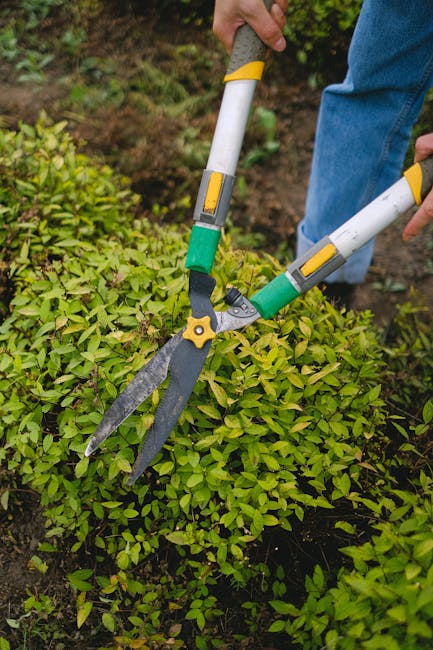
- Hedge trimmers for shaping and reducing growth
- Lawn mowers and strimmers for grass control
- Rakes, brooms, and blowers for clearing debris
- Waste bags or bins for collecting cuttings
- Gloves and protective gear for handling thorny or rough material
Useful documents and pages to review before booking:
- pricing and quotes - helpful if you want to understand how estimates are handled.
- gardening services - useful for seeing how maintenance sits alongside other outdoor work.
- about the team - a straightforward way to gauge experience and approach.
- insurance and safety - sensible reading for any service that involves tools, access, and outdoor risk.
- health and safety policy - useful where you want reassurance about good working practice.
For some gardens, extra-specialist tasks may be needed alongside routine maintenance. A thicker boundary hedge may point you towards ongoing garden care, while overgrown trees or storm damage may make tree surgery support part of the overall cost picture. It all depends on what is actually going on out there.
Law, Compliance, Standards, or Best Practice
For most domestic garden maintenance in Barnsbury, the key issue is not complex regulation; it is sensible, safe working practice. A reputable gardener should be able to work neatly, handle tools responsibly, and manage waste in a way that avoids nuisance or damage.
From a homeowner's point of view, the main things to look for are:
- Insurance and safety awareness - especially if ladders, cutting tools, or awkward access are involved.
- Clear scope of work - so everyone knows what has been agreed.
- Respect for property and neighbours - important in tightly packed streets where noise, debris, and access all matter.
- Waste handling - green waste should be removed or left exactly as agreed.
Best practice also means being cautious with plant health and seasonal timing. Hard pruning at the wrong time, careless use of chemicals, or overcutting a hedge can create avoidable problems. If you are not sure what should happen when, ask. A good gardener will explain the reasoning without making you feel daft.
If you want to review broader service standards and site policies, the pages on terms and conditions, privacy policy, and accessibility statement can help you understand how the business handles basic service expectations and customer information.
There is also a practical seasonal angle. In damp or windy periods, tidy maintenance reduces trip hazards, blocked drains, and damage from loose growth. If your garden is exposed, the advice in weather damage prevention for gardens is worth a look.
Options, Methods, or Comparison Table
To make cost comparisons easier, here is a simple breakdown of the most common maintenance approaches and where each one tends to work best.
| Option | Best for | Typical pricing style | Pros | Watch out for |
|---|---|---|---|---|
| Hourly visit | Mixed jobs, one-off catch-ups, uncertain workload | Time spent on site | Flexible and easy to adjust | Can become pricey if the scope is not clear |
| Fixed-price tidy | Defined tasks and predictable gardens | Set fee per visit or job | Good price certainty | Extras may cost more |
| Regular maintenance plan | Busy households, rental properties, ongoing care | Weekly, fortnightly, or monthly agreement | Often better value and consistency | Needs a clear schedule and scope |
| Seasonal overhaul | Overgrown or neglected spaces | One-off project pricing | Transforms a garden quickly | More expensive than upkeep, naturally |
If your garden mixes lawn, hedges, paving, and borders, the most cost-effective route is often a regular plan plus occasional extras. It is rarely the flashiest option, but it does tend to be the one that feels easiest to live with.
And if you are also thinking about long-term structure, not just maintenance, nearby services such as landscaping support or decking work can sometimes reduce the amount of recurring upkeep later on. Not always, but sometimes that trade-off is worth considering.
Case Study or Real-World Example
Here is a realistic Barnsbury-style example. A homeowner has a small back garden with a lawn, two raised beds, a hedge along the side, and paving that tends to collect leaves. At first glance, it looks like a neat, modest space. In spring, though, the lawn needs regular cutting, the hedge throws new growth fast, weeds appear at the bed edges, and the paving starts to look untidy within a couple of weeks.
The first visit is more expensive than expected because the garden needs a proper reset: cutting back overgrowth, clearing leaf build-up, edging the lawn, and removing waste. After that, the gardener suggests a simpler regular maintenance schedule. The price per visit drops slightly because the garden stays under control and does not need to be rediscovered each time.
That is the pattern many people notice. The first job costs more. The ongoing job costs less. Not because the gardener is giving away work, but because the site becomes easier to maintain when it is looked after properly. A tidy garden can be maintained efficiently. A neglected one tends to eat time.
If the garden has awkward shade or climbing plants, the approach may change again. For instance, a dark side return with persistent growth might benefit from plants chosen for low-light conditions, such as ideas explored in evergreen climbers for shady spaces or ground cover plant choices that reduce weeding and bare patches.
Practical Checklist
Use this before asking for a quote or agreeing to ongoing work.
- List every job you want done, even the small ones.
- Decide whether you need a one-off tidy or regular visits.
- Check access, parking, and waste removal requirements.
- Ask what is included and what counts as extra.
- Share photos of the garden if a visit is not possible yet.
- Confirm whether hedge trimming, lawn mowing, or clearance are part of the quote.
- Ask how often the gardener recommends visits for your garden's current condition.
- Think about pet safety, children's play areas, and any fragile planting.
- Keep notes on seasonal problems like shade, wind, or waterlogging.
- Compare value, not just the cheapest number.
For gardens where low effort is the goal, you may also want to explore vertical gardening ideas and container gardening approaches. Both can make future maintenance simpler, which is quietly one of the best budget decisions you can make.
Get a free quote today and see how much you can save.
Conclusion
When people ask about Barnsbury garden maintenance costs, they usually want one neat number. The truth is a bit messier, but also more useful: local gardeners charge based on the work in front of them, the ease of access, the condition of the garden, and whether the job is one-off or ongoing. Once you understand those parts, pricing becomes far less mysterious.
The best approach is usually simple. Define the work clearly, ask what is included, compare like with like, and choose the gardener who gives you confidence as well as a fair figure. In a place like Barnsbury, where many gardens need a mix of care and judgement, that balance matters.
And honestly, a well-kept garden changes the whole feel of a home. You notice it on a quiet morning, when the paving is clear, the edges are sharp, and the place just feels settled. Worth it, most days.

With her background as an experienced gardening manager, Laurie has supported thousands of customers in attaining their desired garden layouts. Her articles prioritize sustainable gardening methods and user-friendly service options.